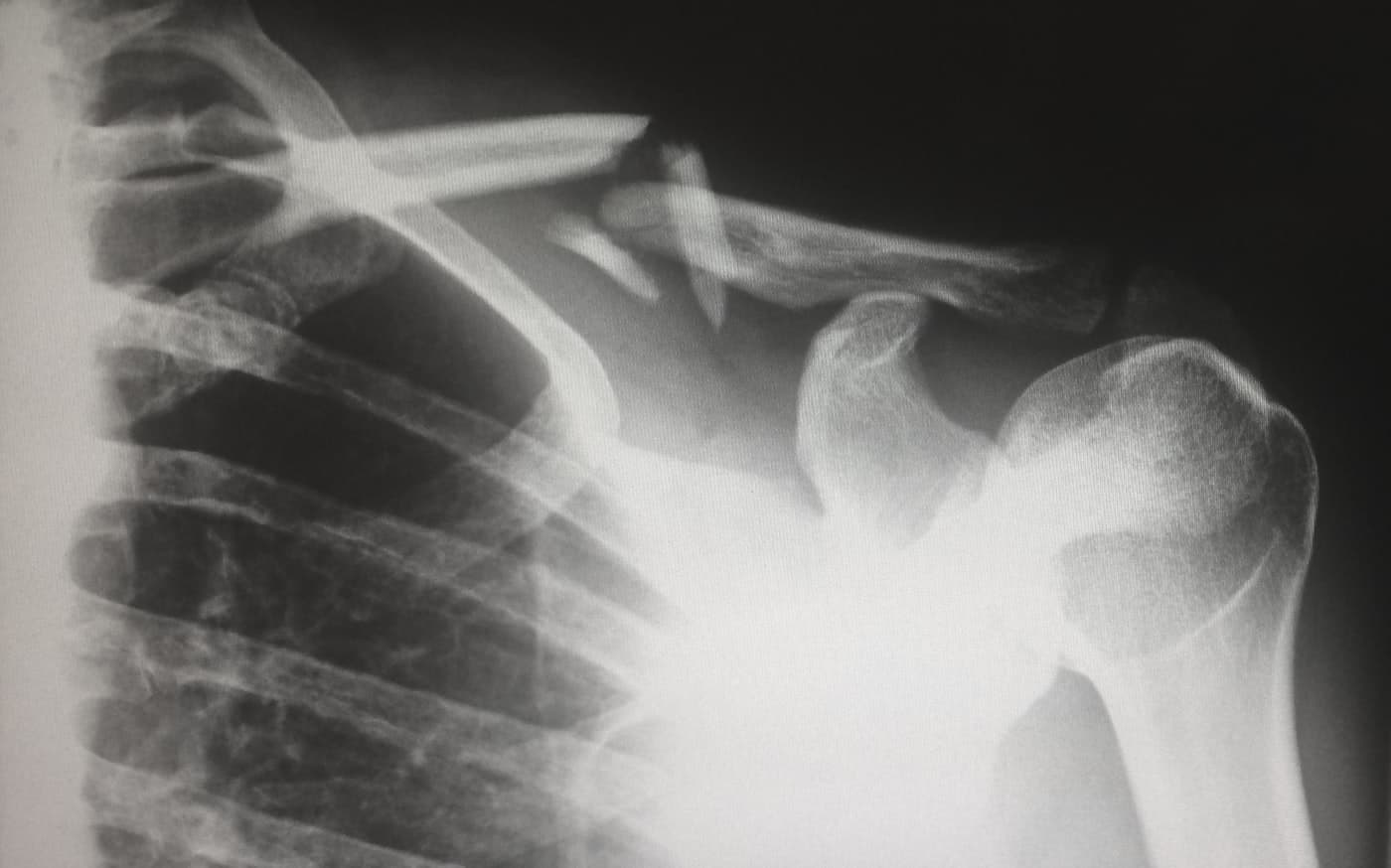
Orthopedic trauma covers the full range of fractures, dislocations, ligament, and soft tissue injuries that occur during falls, traffic accidents, workplace accidents, or sports. In these injuries, an accurate assessment and the right treatment plan within the first hours directly affect both the healing time and the future function of the limb.
With orthopedics and traumatology training rooted in GATA Haydarpaşa, Op. Dr. Mustafa Akyüz evaluates trauma patients across a broad spectrum, from simple fractures to complex intra-articular fractures; he applies current fixation (osteosynthesis) techniques when surgery is required, and cast, splint, and functional treatment options when it is not.
When Should You Seek Care?
- Severe pain, swelling, and bruising after a fall or impact
- Deformity or abnormal movement of a limb
- A feeling that a joint has come out of place, or inability to bear weight on it
- Bone pain that worsens with movement and does not ease with rest
- Numbness, tingling, or loss of strength after an accident
The Diagnostic Process
In trauma assessment, an X-ray is the first-line imaging study following a detailed examination. Computed tomography (CT) is used to clarify intra-articular fractures, while magnetic resonance imaging (MRI) confirms the diagnosis in ligament and soft tissue injuries. An accurate diagnosis is also the strongest safeguard against unnecessary surgery.
Treatment Options
Conservative (Non-Surgical) Treatment
A significant proportion of non-displaced fractures, or those in acceptable alignment, can be treated without surgery using a cast, splint, or functional brace. During this process, the alignment of the fracture is monitored with regular X-ray checks, and controlled movement is introduced at the appropriate time.
Surgical Treatment
Displaced, unstable, or open fractures, and those that disrupt the joint surface, require surgical fixation. The fracture is stabilized in anatomical alignment using methods such as plates and screws, intramedullary nailing, or external fixation. The goals are early motion, early weight-bearing, and prevention of joint stiffness.
Recovery and Rehabilitation
Fracture healing takes 6-12 weeks on average, depending on age, the location of the fracture, and overall health. Rehabilitation after treatment is just as decisive for success as the surgery itself; a personalized exercise program is planned to restore muscle strength and joint range of motion.
“The golden rule in trauma is early and correct intervention. A well-planned treatment returns the patient to daily life as quickly as possible.”
Frequently Asked Questions
Does every fracture require surgery?
How long does a fracture take to heal?
Is joint stiffness after a cast permanent?
What should I do first after a trauma?
The information on this page is for general informational purposes only; it does not replace an examination or diagnosis. Treatment decisions can only be made after evaluation by a physician.