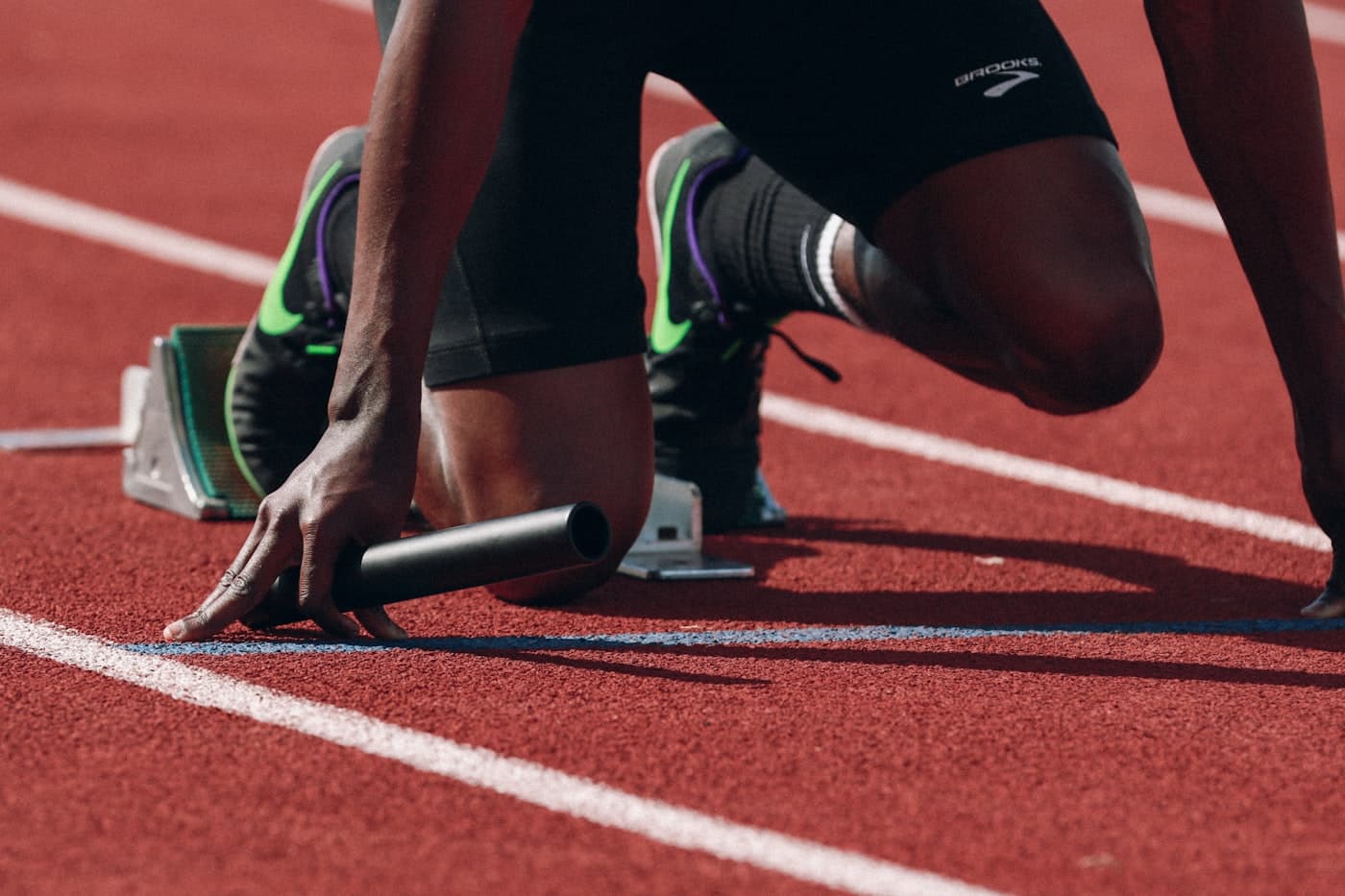
Sports injuries are not limited to professional athletes; anyone who runs, plays soccer or basketball, or works out at the gym can experience them. The most common sports injuries include meniscus tears, anterior cruciate ligament (ACL) injuries, ankle sprains, tendon inflammation, and muscle strains.
In treating athletes, the goal is not simply to relieve pain; it is to return the athlete to their pre-injury performance level with the risk of re-injury minimized. That is why every stage, from diagnosis to return-to-play testing, should be carried out according to a structured plan.
The Most Common Sports Injuries
- Meniscus tears — catching, locking, and pain in the knee
- Anterior cruciate ligament (ACL) injuries — a giving-way sensation after a twisting movement
- Ankle ligament injuries (sprains)
- Shoulder dislocations and labral injuries
- Tendon problems — Achilles tendinitis, patellar tendinitis, tennis elbow
- Muscle strains and fiber tears (hamstring, calf)
The Right Approach to Diagnosis
A detailed account of how the injury occurred is the most important part of the diagnosis. Based on the examination findings, MRI is used to evaluate the ligaments, meniscus, and cartilage. An early, accurate diagnosis prevents both unnecessary time away from sport and the permanent damage caused by neglected injuries.
Treatment and Return to Sport
A significant proportion of injuries heal with rest, cold application, bracing, and physical therapy. In suitable cases of meniscus and ACL injury, repair or reconstruction is performed with arthroscopic (keyhole) surgery. Returning to sport is not recommended before the graduated post-surgical rehabilitation program is completed; returning too early is the most common cause of re-injury.
“Success in treating an athlete is measured not by the day they return to the field, but by the seasons they play without getting injured again.”
Preventing Injuries
Warm-up and cool-down routines, strength training that maintains muscle balance, proper equipment choices, and fatigue management significantly reduce the risk of injury. In recurrent injuries, a biomechanical assessment should be performed to investigate the underlying cause.
Frequently Asked Questions
Can a meniscus tear heal on its own?
My ACL is torn — is surgery mandatory?
When can I return to sport after surgery?
Can I wrap a sprained ankle and keep playing?
The information on this page is for general informational purposes only; it does not replace an examination or diagnosis. Treatment decisions can only be made after evaluation by a physician.