Recovery After a Fracture: Healing Stages and Practical Tips
An arm, a leg, a wrist, or a foot... Wherever it occurs in your body, a bone fracture is a difficult experience that changes daily life in an instant. Fortunately, bone is one of the tissues with the greatest capacity for self-renewal in the body, and when the right conditions are in place, the vast majority of fractures heal successfully. In this article, I have summarized the stages of the healing process after a fracture, along with the factors that directly affect your recovery — from cast care to nutrition, and from the effects of smoking to physical therapy.
How Does a Fracture Heal? The Three Stages of Bone Healing
Bone healing consists of three biological stages that follow — and at times overlap with — one another. How long these stages last varies from person to person, depending on your age, the location and type of the fracture, your general health, and how closely you follow your treatment.
1. The Hematoma (Bleeding and Inflammation) Stage
In the first hours after a fracture, a collection of blood — a hematoma — forms between the fracture ends. Although this clot may seem harmful at first glance, it is actually the initial scaffold of healing; it is how the cells and growth factors that start the repair process reach the fracture site. This period, when pain, swelling, and bruising are most pronounced, usually spans the first week.
2. The Callus (Repair) Stage
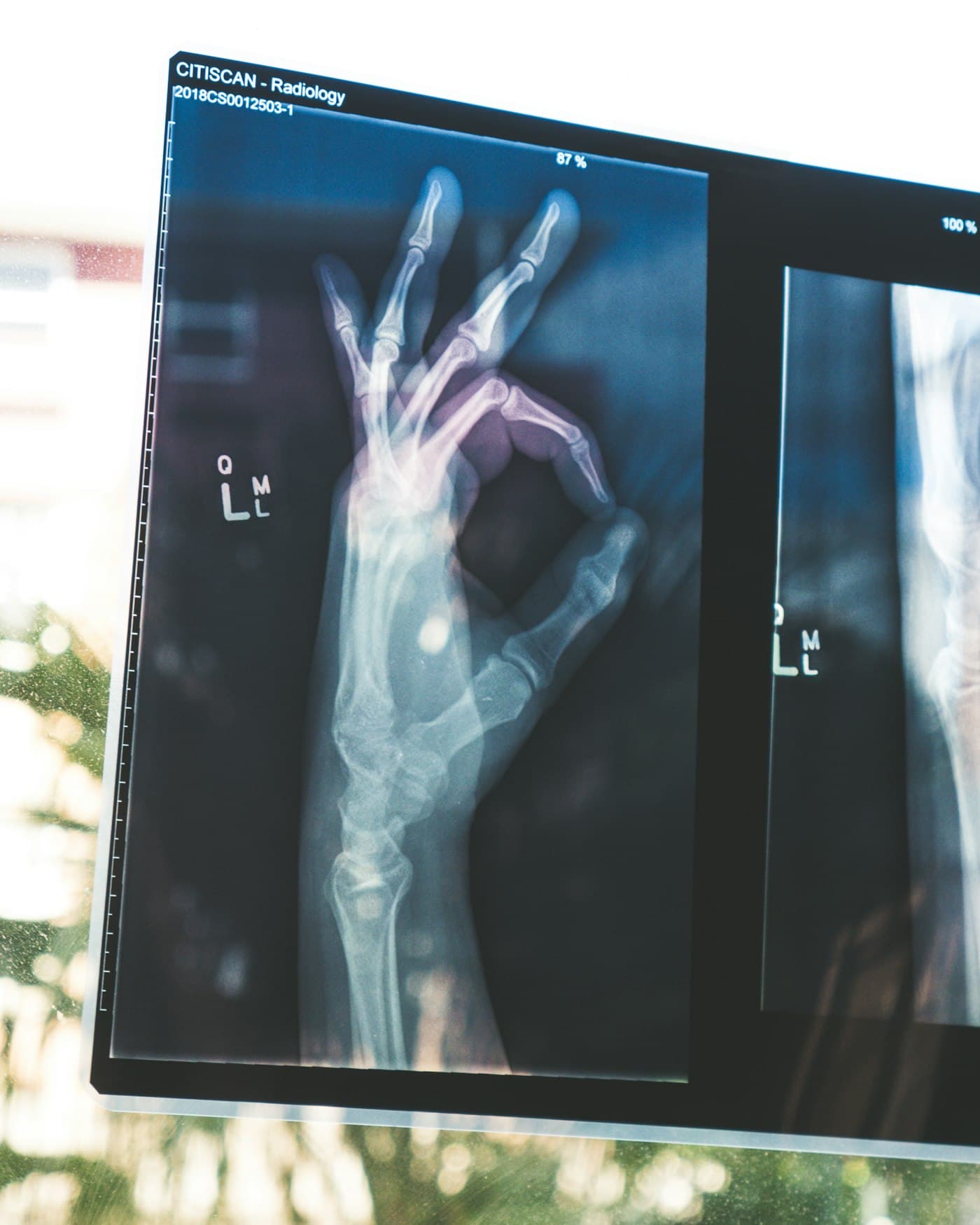
Over the following weeks, a repair tissue develops along the fracture line — first a cartilage-dominant 'soft callus,' and then, as it turns into bone, what we call a 'hard callus.' This is the tissue that creates the image we describe as 'healing has begun' on a follow-up X-ray. In most fractures this stage becomes evident within an average of 3-6 weeks, although it may take longer depending on the fracture site and individual factors.
3. The Remodeling Stage
In the final stage, the body gradually converts the rough repair tissue into normal bone structure over months or even years. Bone reorganizes itself according to the load placed on it; therefore, controlled movement and weight-bearing — to the extent your physician allows — are the most natural supporters of this stage.
What Should You Pay Attention to in Cast and Splint Care?
A cast keeps the fracture ends immobile so they can heal in the correct position. But for the cast to do its job, you also need to follow a few rules of daily care:
- Do not get the cast wet; use a waterproof cover while bathing.
- When it itches, do not insert objects such as pens or knitting needles into the cast; any resulting skin wounds can set the stage for infection.
- In the first days, keep the casted limb elevated above heart level as much as possible to reduce swelling.
- Regularly move the fingers or toes left outside the cast to support circulation.
- Do not cut, loosen, or attempt to change the cast yourself.
If you notice steadily increasing pain in the casted area, or bruising, paleness, numbness, tingling, or loss of movement in your fingers or toes, you should contact your physician without delay. These findings can signal conditions requiring urgent evaluation, such as a cast that is too tight or a circulation problem.
Nutrition That Supports Fracture Healing
Bone repair is a major 'construction' period for the body, and construction needs materials. Although no single food is a magic solution that speeds up healing on its own, a balanced diet lays the right groundwork for recovery:
- Calcium: Milk, yogurt, cheese, and green leafy vegetables
- Vitamin D: Sunlight and oily fish; supplements if needed, on your physician's advice
- Protein: Eggs, fish, meat, and legumes — the basic building block of new bone tissue
- Vitamin C: Citrus fruits, peppers, and kiwi; contributes to collagen production
- Adequate water intake, along with limiting excess salt and caffeine
I recommend starting vitamin and mineral supplements only after your physician's evaluation, not on your own initiative; unnecessary, high-dose supplementation can do more harm than good.
How Does Smoking Affect Fracture Healing?
Let me be clear on this point: smoking is one of the best-documented factors that negatively affect fracture healing. Nicotine constricts blood vessels and reduces blood flow to the fracture site, while carbon monoxide lowers the amount of oxygen delivered to the tissues. Scientific studies show that healing time is usually significantly prolonged in patients who smoke, and that the risk of nonunion (pseudarthrosis) increases. This period of fracture treatment is a valuable opportunity to quit smoking — or at least to cut back considerably.
“We stabilize the fracture with a cast or surgery — but it is your body that heals the bone. Taking good care of it is half the treatment.”
The Role of Physical Therapy and Rehabilitation
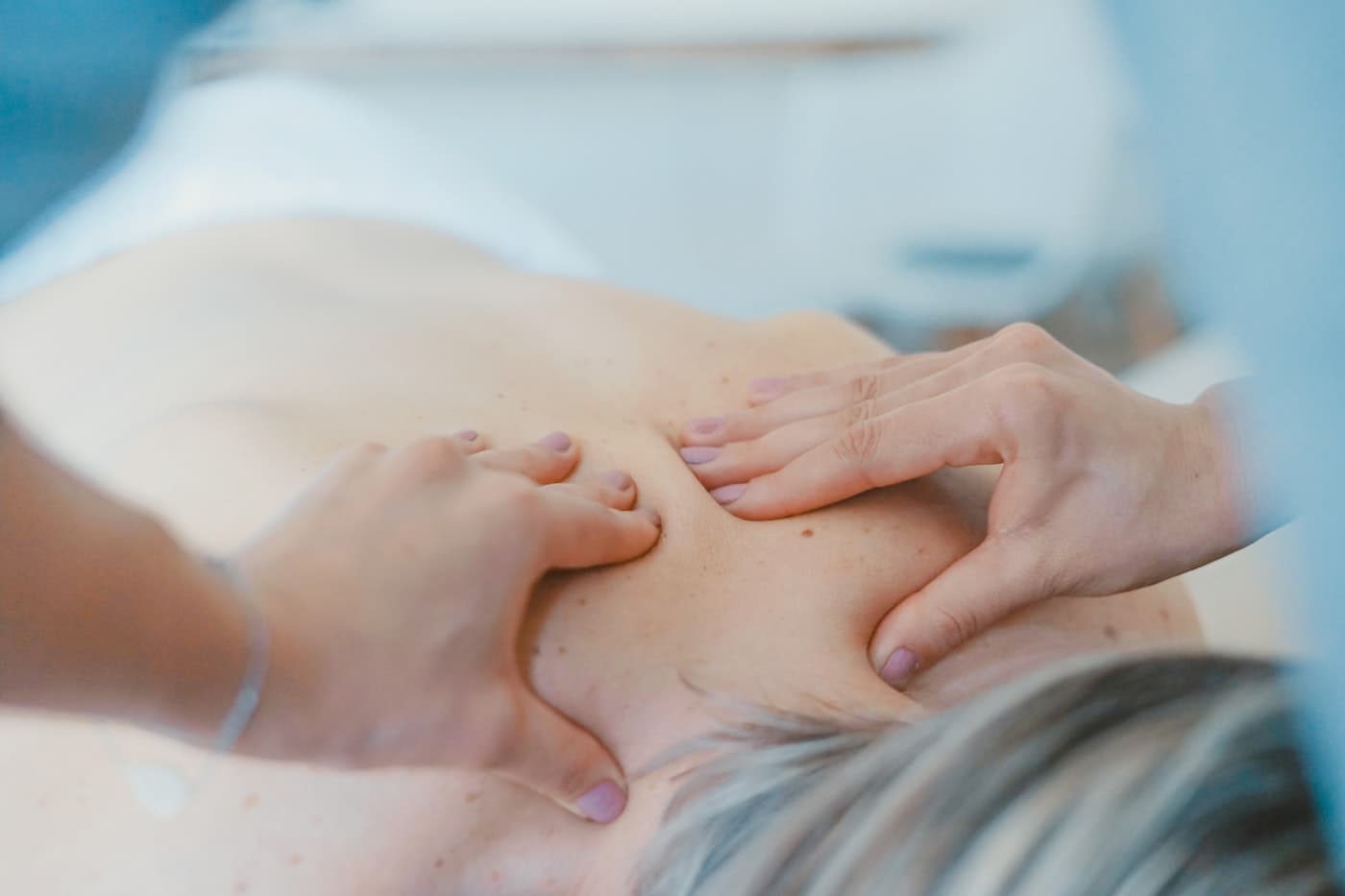
When the cast comes off, or in the period after surgery, it is natural to experience some joint stiffness, muscle wasting, and loss of strength; tissues that have been immobile for weeks need time to 'return to duty.' This is exactly where physical therapy and a regular exercise program come in: they help you regain joint range of motion, rebuild muscle strength, and return to your daily life with confidence. When to start exercising, and at what intensity, is planned by your physician according to the type of your fracture and how well it is healing. A planned, gradual program — rather than an 'I'll stop if it hurts' approach — both reduces the risk of permanent joint stiffness and lowers the likelihood of re-injury.
Remember, every fracture is unique, and the speed of healing varies from person to person. If your pain increases rather than decreases after a cast or surgery, if the swelling does not subside, if your movement remains restricted, or if you have any questions on your mind, do not postpone your follow-up visits. Regular follow-up allows potential problems to be detected early and helps you complete the process safely. If your symptoms persist, I recommend seeing an orthopedics and traumatology specialist.
Frequently Asked Questions
How long does a fracture take to heal?
What should I do if my cast gets wet?
Does smoking really delay fracture healing?
Can I return to my normal life right after the cast is removed?
This article is for informational purposes only; it does not replace diagnosis or treatment. Please consult a physician about your complaints.
Do you have similar complaints?
Message us on WhatsApp and let's schedule your examination.