What Is Knee Arthroscopy, and How Is It Performed?
If knee pain, locking, or a catching sensation is making your daily life difficult, your doctor may have recommended knee arthroscopy. Commonly known as "keyhole knee surgery," this technique makes it possible to view the inside of the knee joint through incisions just a few millimeters long using a camera, without large surgical cuts, and in most cases to treat the problem in the same session. Arthroscopy, one of the most frequently performed procedures in modern orthopedics, can offer significant advantages for both diagnosis and treatment when applied to the right patient for the right indication. In this article, we will walk step by step through what knee arthroscopy is, when it is preferred, the surgical process, and the recovery period.
What Is Knee Arthroscopy?
The word arthroscopy comes from the combination of "joint" (arthro) and "to look" (scopy). In knee arthroscopy, a pencil-thin camera system called an arthroscope is inserted into the joint through one of two or three small incisions of about half a centimeter made on the front of the knee. The camera projects a magnified, high-resolution view of the inside of the joint onto a screen, allowing the menisci, cartilage surfaces, ligaments, and joint lining to be evaluated directly by eye.
Using special surgical instruments introduced into the joint through the other small incisions, the problems identified are usually treated in the same session. Because the joint is not fully opened and the muscles and surrounding tissues are largely preserved, this technique is also referred to as "keyhole knee surgery."
Which Conditions Is Knee Arthroscopy Used For?
Knee arthroscopy can be used for both diagnosis and treatment. When examination findings and MRI images are evaluated together, it is generally preferred in the following situations:
- Meniscus tears (repairing suitable tears or trimming the damaged portion)
- Anterior and posterior cruciate ligament injuries (ligament reconstruction)
- Localized cartilage damage and treatment of suitable cartilage lesions
- Loose fragments of bone or cartilage floating within the joint
- Impingement problems related to the joint lining, such as plica syndrome
- Inflammation of the joint lining (synovitis) and certain joint infections
On the other hand, I would like to emphasize that not every case of knee pain calls for arthroscopy. In advanced osteoarthritis (gonarthrosis), for example, the benefit of arthroscopy is generally limited. That is why the decision for surgery is made individually, weighing your age, your expectations, and your examination and imaging findings together.
The Keyhole Knee Surgery Process, Step by Step
Preparing for Surgery
First, the source of the problem is clarified with a detailed examination, X-rays, and in most cases an MRI. An anesthesia assessment follows, reviewing your medications, blood thinners, and chronic conditions. Knee arthroscopy can be performed under general anesthesia or under spinal anesthesia, which numbs the body from the waist down; the most suitable option for you is decided together with the anesthesiologist.
What Happens During Surgery?
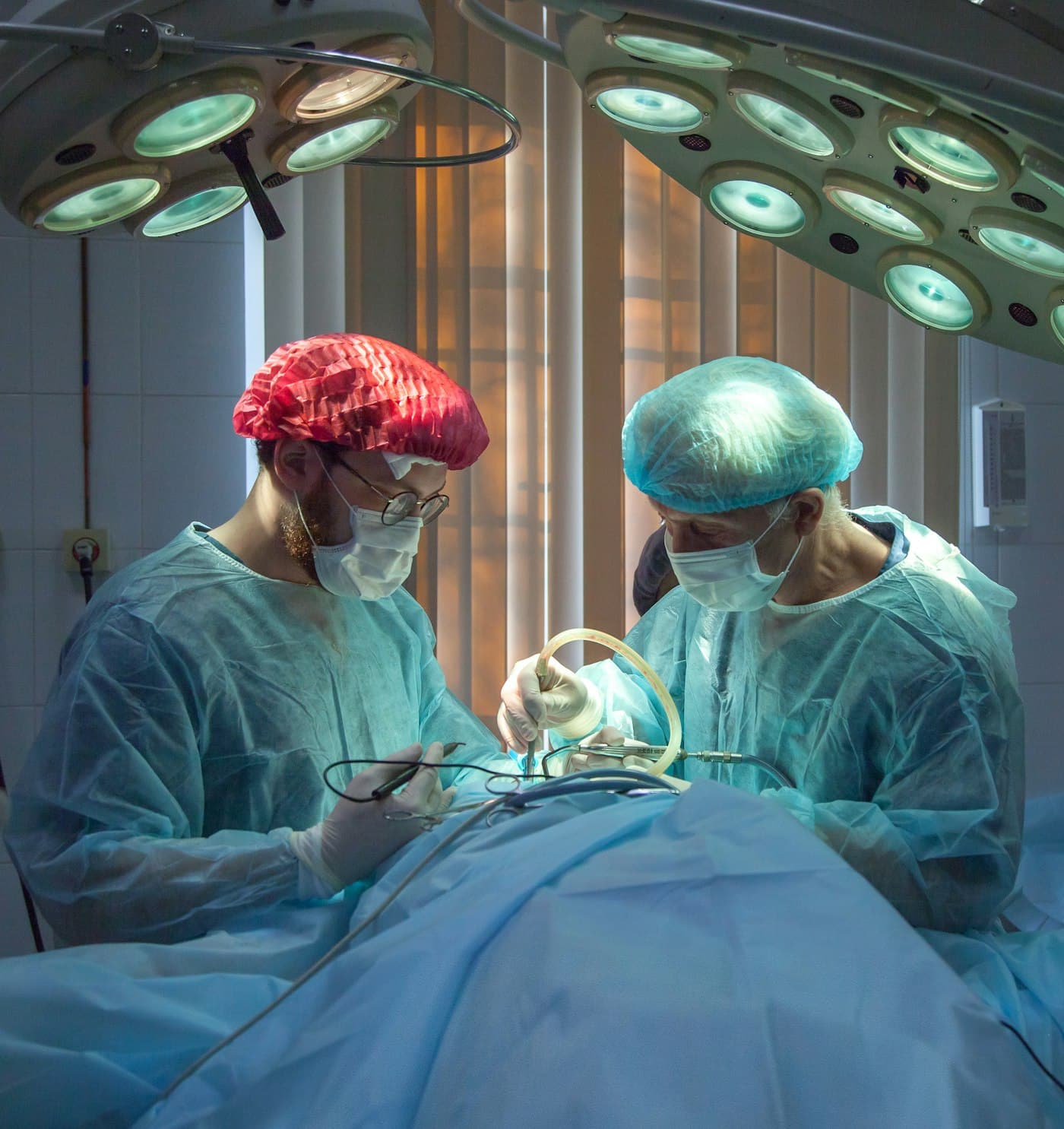
After the knee area is prepared under sterile conditions, sterile fluid is introduced into the joint to expand the field of view. The camera and instruments are inserted through the small incisions; the inside of the joint is examined systematically, and the repair, debridement, or reconstruction procedure targeted at the identified problem is performed. The duration of the procedure varies depending on what needs to be done, but it generally takes between 30 and 90 minutes. The incisions are usually closed with one or two stitches and covered with a small dressing.
“The real power of arthroscopy lies not in the small incisions, but in our ability to see the inside of the joint with our own eyes and solve the problem on the spot, usually in the same session.”
The Advantages of Knee Arthroscopy
- Because there is no large surgical incision, tissue damage and postoperative pain are generally reduced
- The risk of infection and wound problems is generally lower than with open surgery
- The hospital stay is short; many patients can be discharged the same day
- Since the scars are only a few millimeters long, the cosmetic result is generally satisfying
- Return to daily life and work is faster for most patients
- It offers both diagnosis and treatment in the same session
That said, as with any surgical procedure, knee arthroscopy can rarely involve unwanted events such as infection, bleeding within the joint, injury to blood vessels or nerves, and blood clot formation in the leg veins. These risks vary from person to person; before surgery, your physician will discuss your individual risk profile with you in detail.
Same-Day Discharge and the Recovery Process
For many patients, knee arthroscopy is planned as outpatient surgery: a patient operated on in the morning can usually go home the same day after a few hours of observation. After procedures such as a simple meniscus trimming, most patients can walk bearing weight on the knee as tolerated. For more extensive procedures such as ligament reconstruction, crutches and a brace may be needed for a period of time.
The pace of recovery depends on the procedure performed, your age, and your general health. After simple procedures, patients generally return to daily activities within a few days to a few weeks; return to sports can be planned within 4-8 weeks for most simple procedures, although this timeframe can vary from person to person. After ligament surgery, return to sports can take months. Throughout this process, physical therapy and an exercise program are among the most important components of recovery; patients who do their exercises consistently generally regain muscle strength and joint range of motion faster.
What Should You Pay Attention to During Recovery?
- In the first days, keeping your leg elevated above heart level and applying cold intermittently helps reduce swelling
- Follow the recommended exercise program consistently; consult your physician if your pain increases significantly
- Carefully follow the instructions given for dressing and stitch care
- In case of fever, increasing redness, severe swelling, or unrelenting pain, contact your physician without delay
If you have long-standing knee pain, swelling, locking, or a giving-way sensation, it is worth having these symptoms evaluated without delay. Early diagnosis can both broaden your treatment options and help protect the long-term health of your joint. If your complaints persist, I recommend seeing an orthopedics and traumatology specialist for a detailed examination of your knee; together, we can plan the treatment path that suits you best.
Frequently Asked Questions
Is knee arthroscopy a painful procedure?
Do I need to stay in the hospital after knee arthroscopy?
When can I walk after knee arthroscopy?
Does knee arthroscopy help with osteoarthritis?
This article is for informational purposes only; it does not replace diagnosis or treatment. Please consult a physician about your complaints.
Do you have similar complaints?
Message us on WhatsApp and let's schedule your examination.